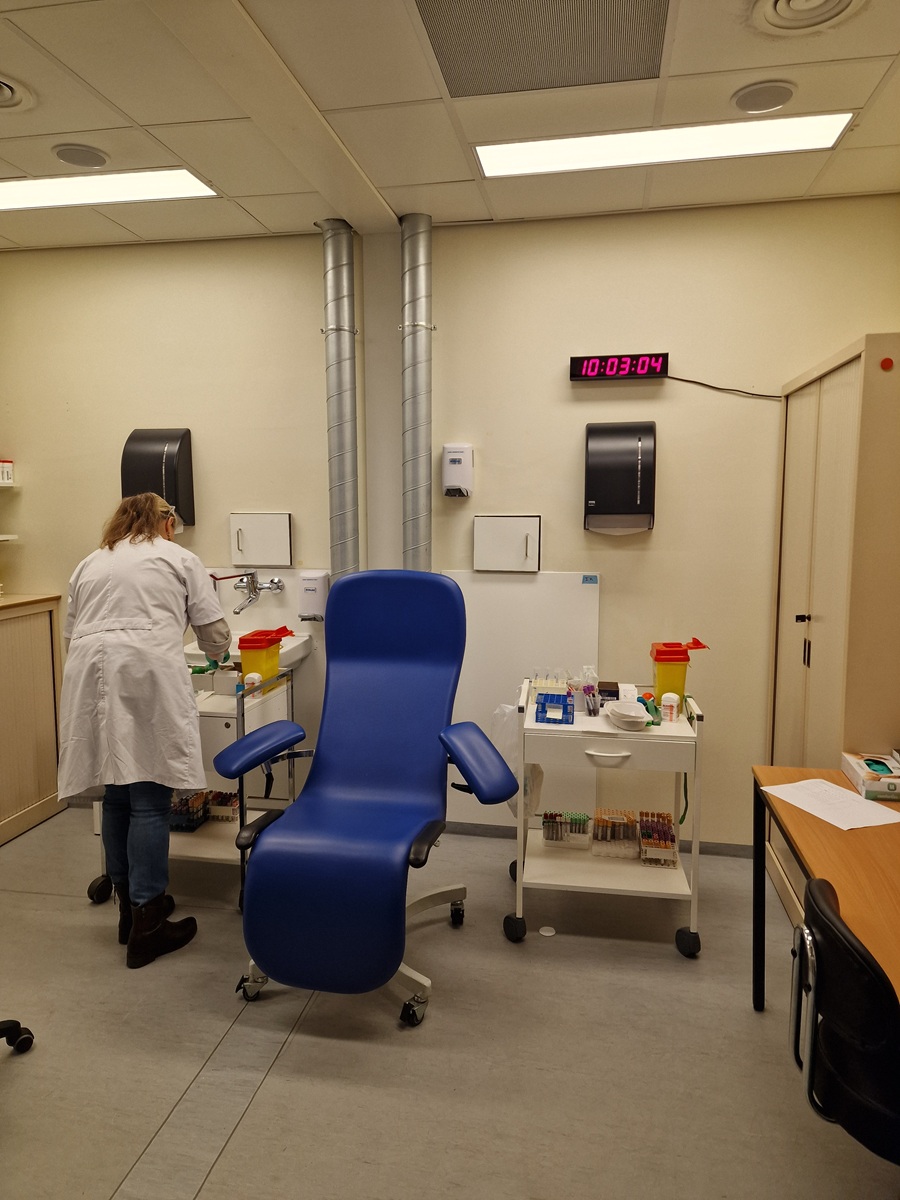
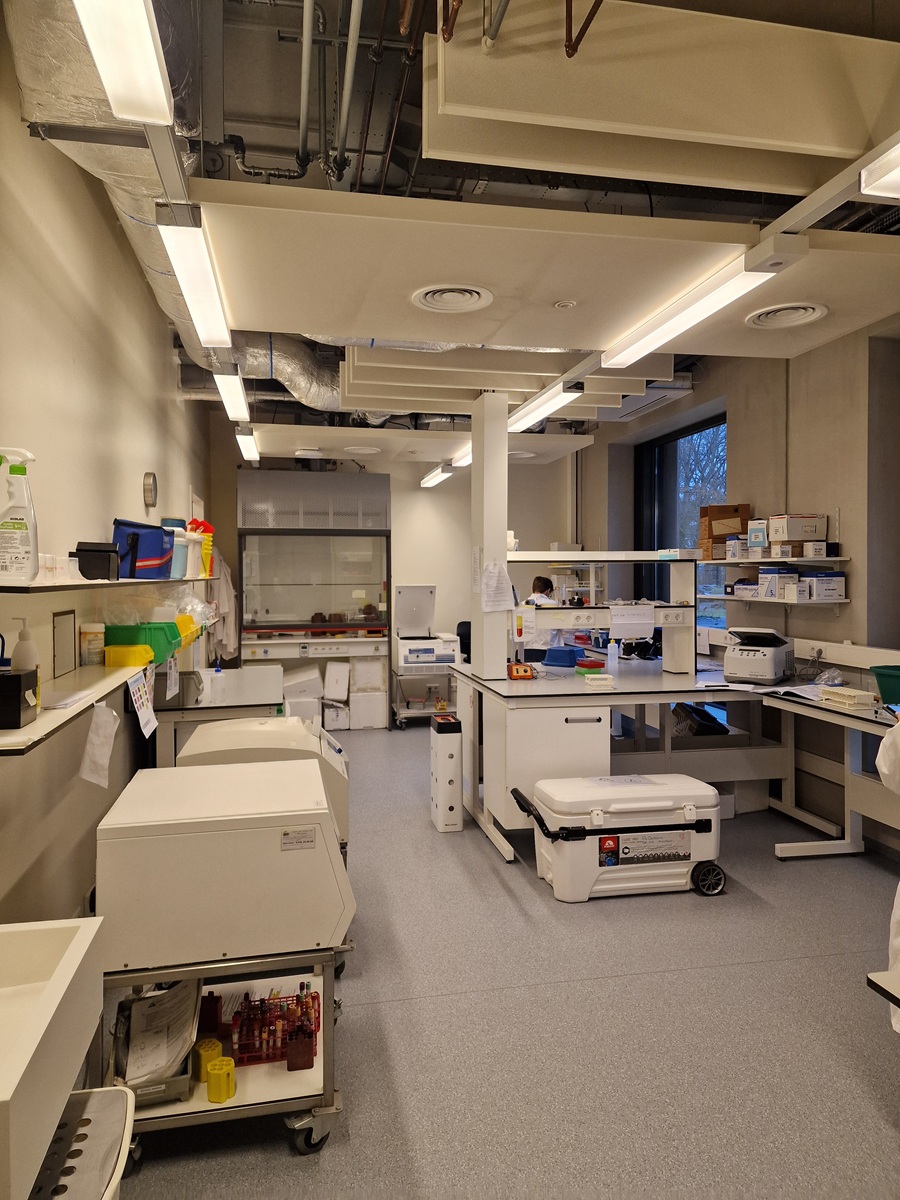
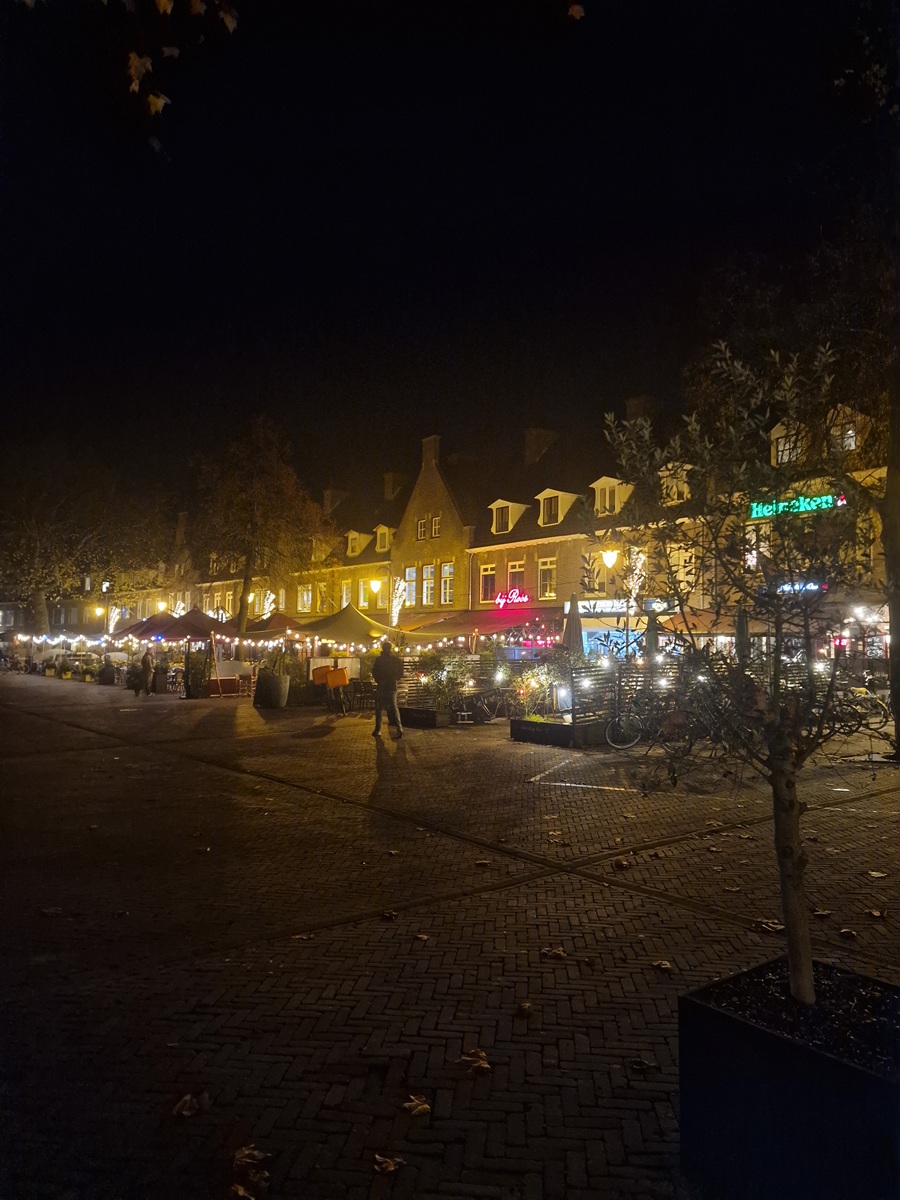
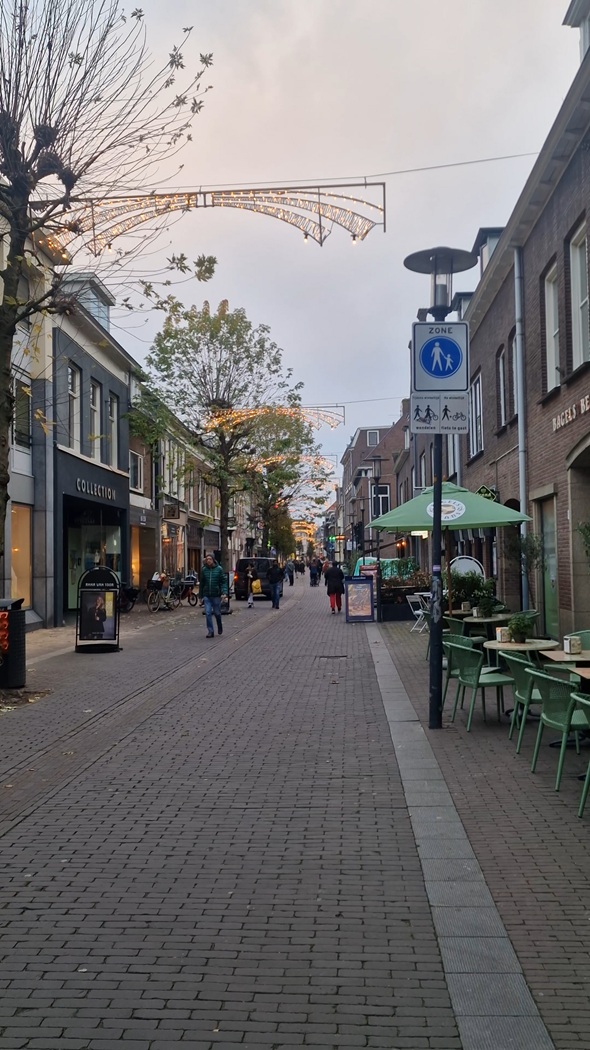
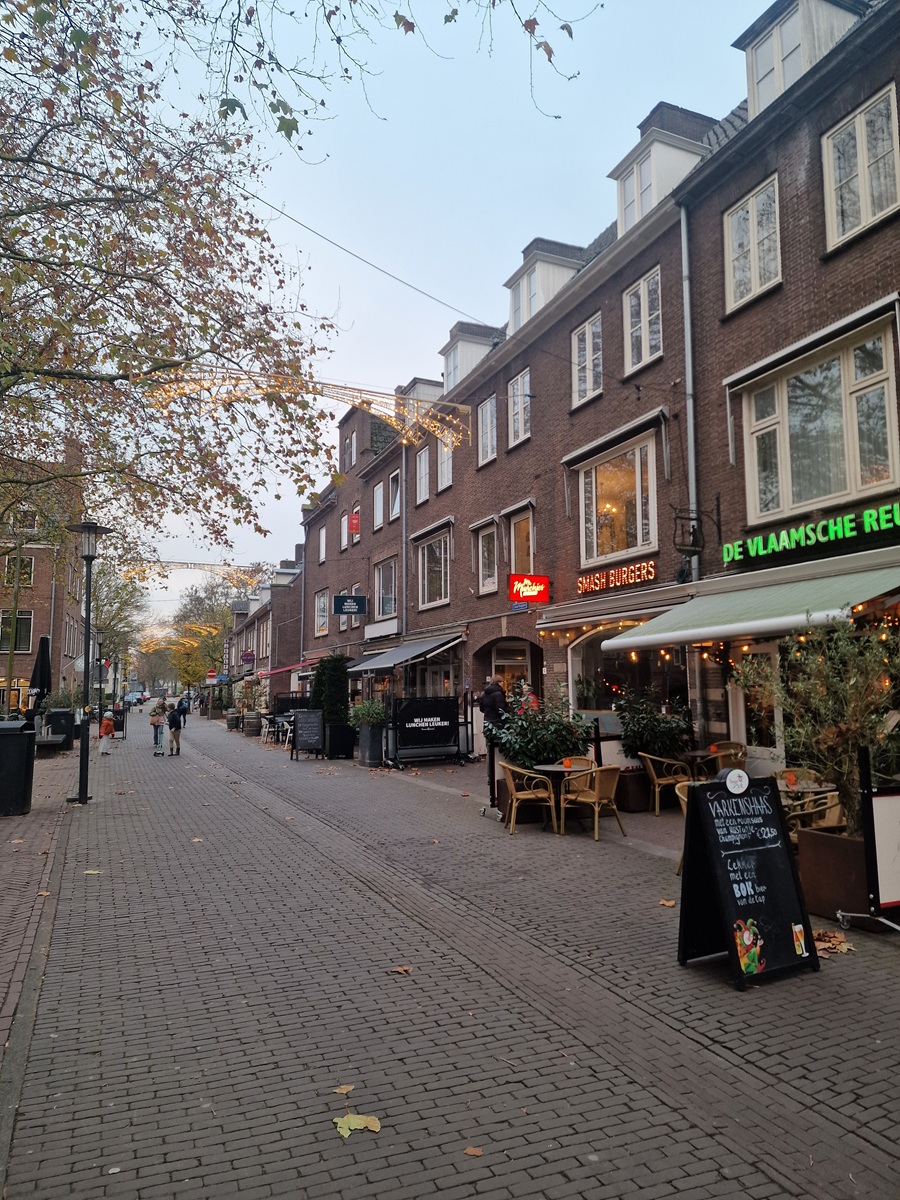
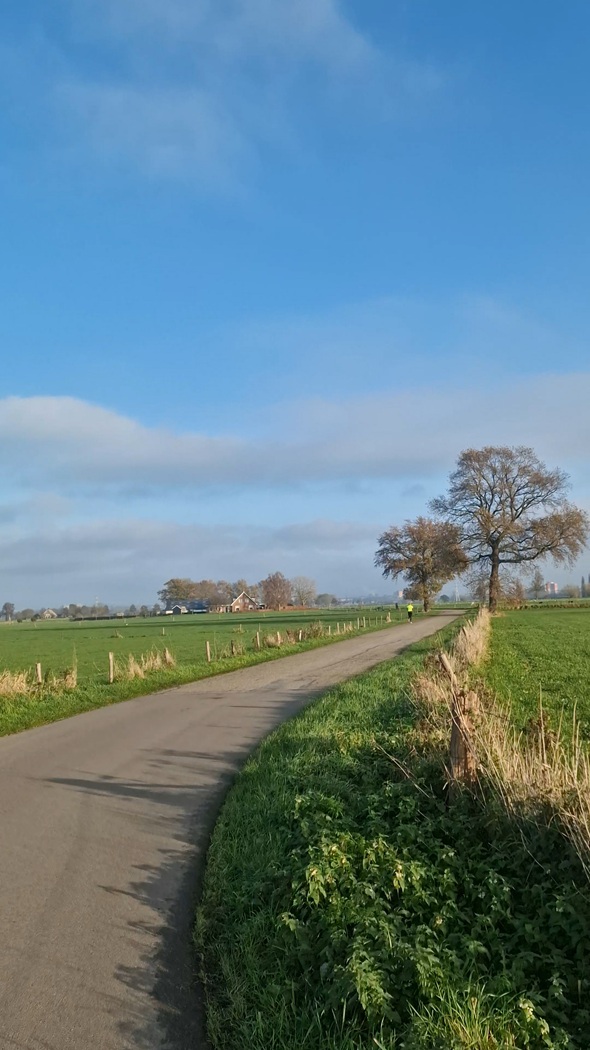
In November 2025, Wageningen University & Research welcomed Ivana Knežević from the University of Novi Sad for a month-long mobility stay, carried out within the EU-funded EINSTEIN project under the European Excellence Initiative for Widening countries. More information in detail, here.
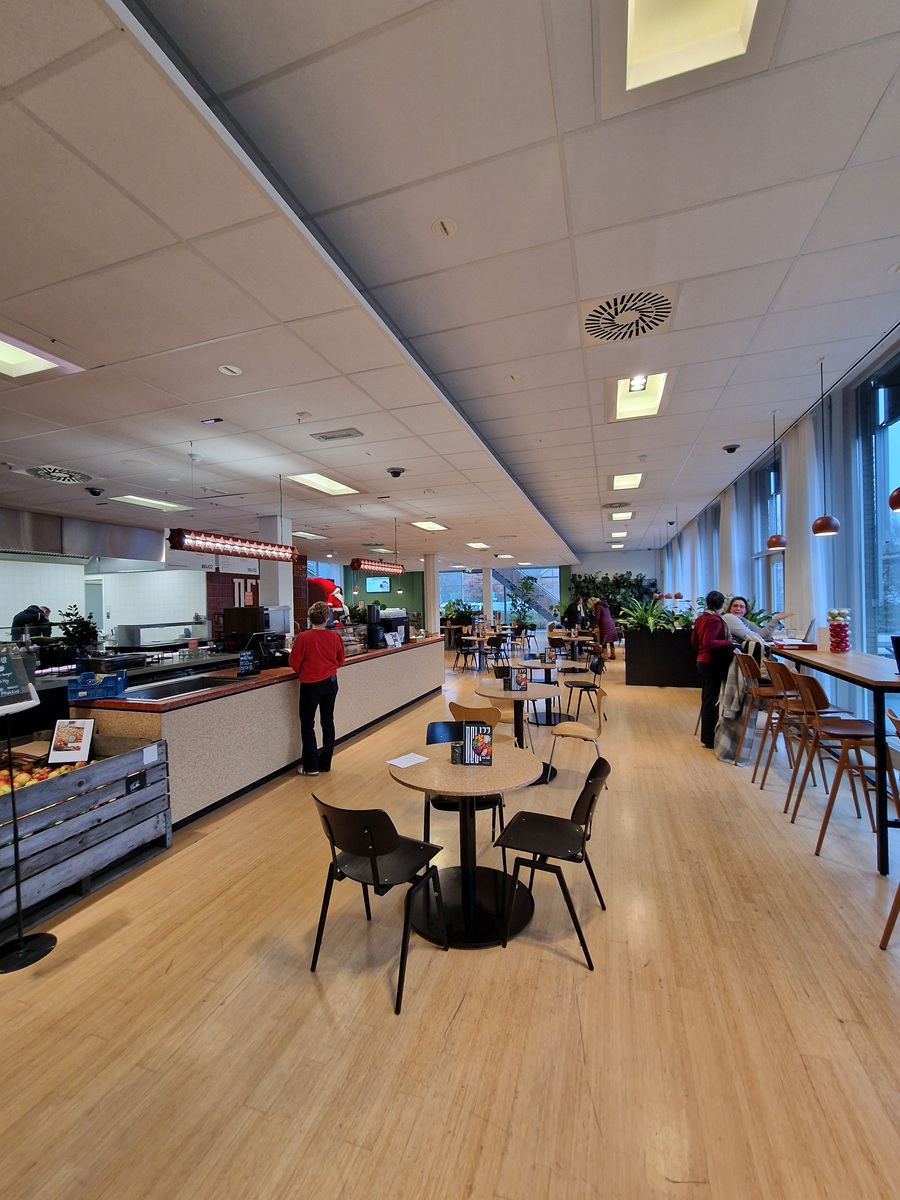
Some of the most valuable lessons emerged outside formal settings. Informal gatherings such as the “Around the World Lunch,” where staff shared dishes from their home countries, showed how food can become a powerful connector encouraging openness, inclusion, and conversation across disciplines and cultures.
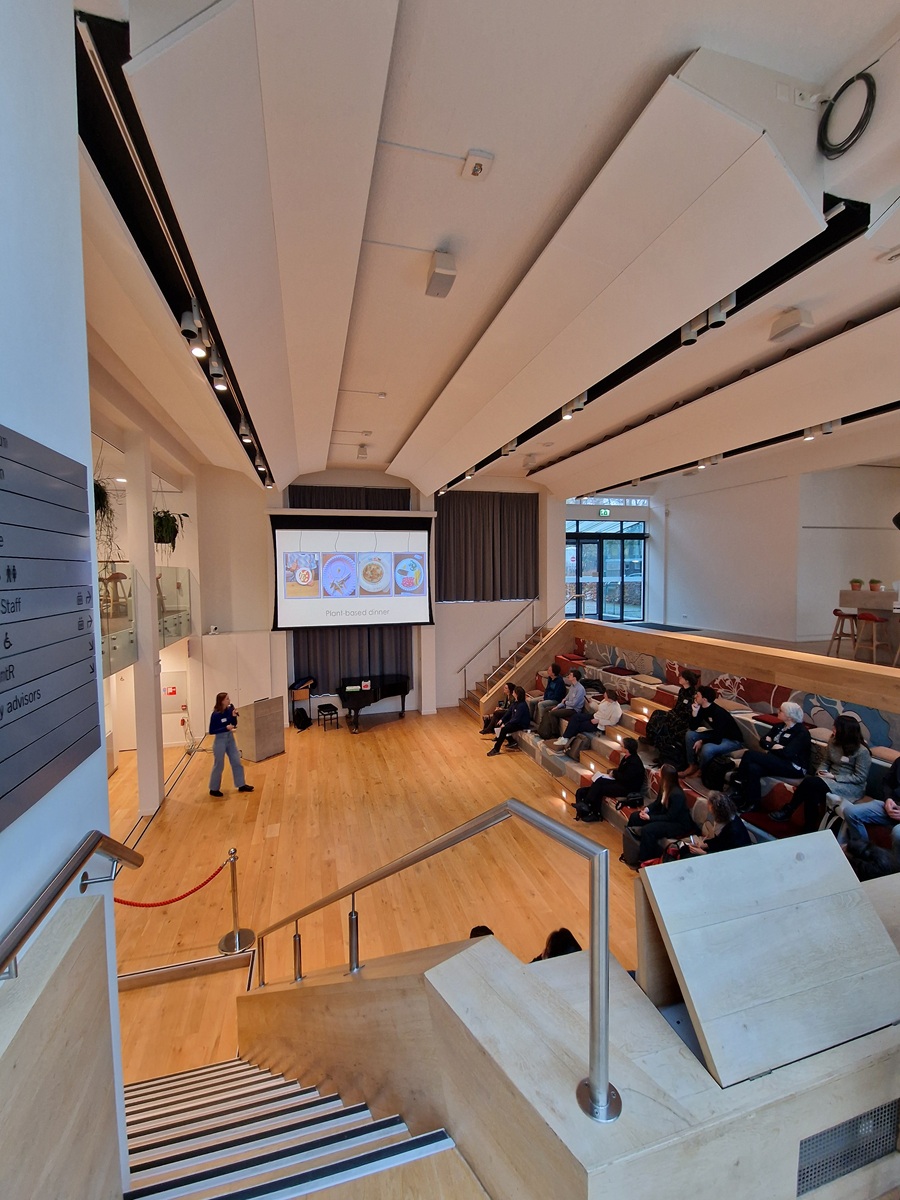
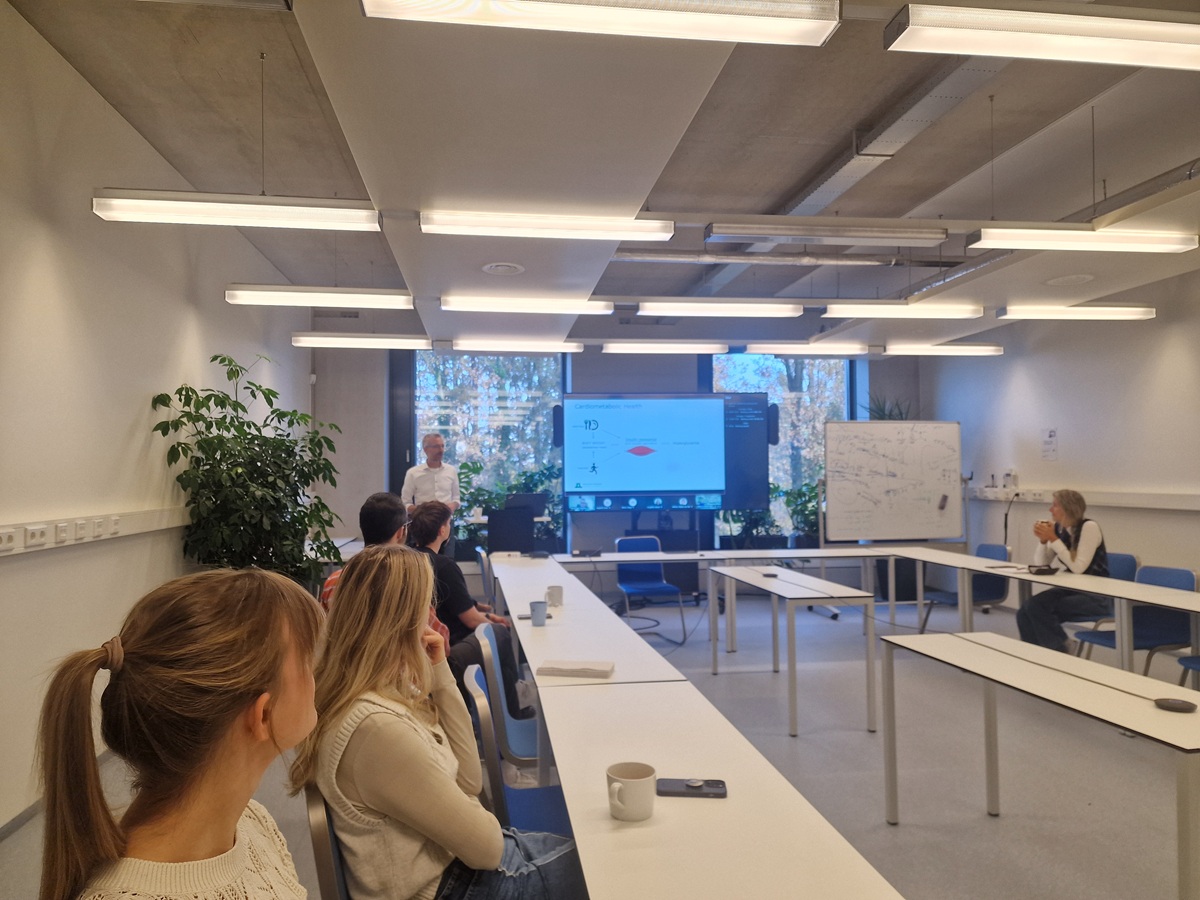
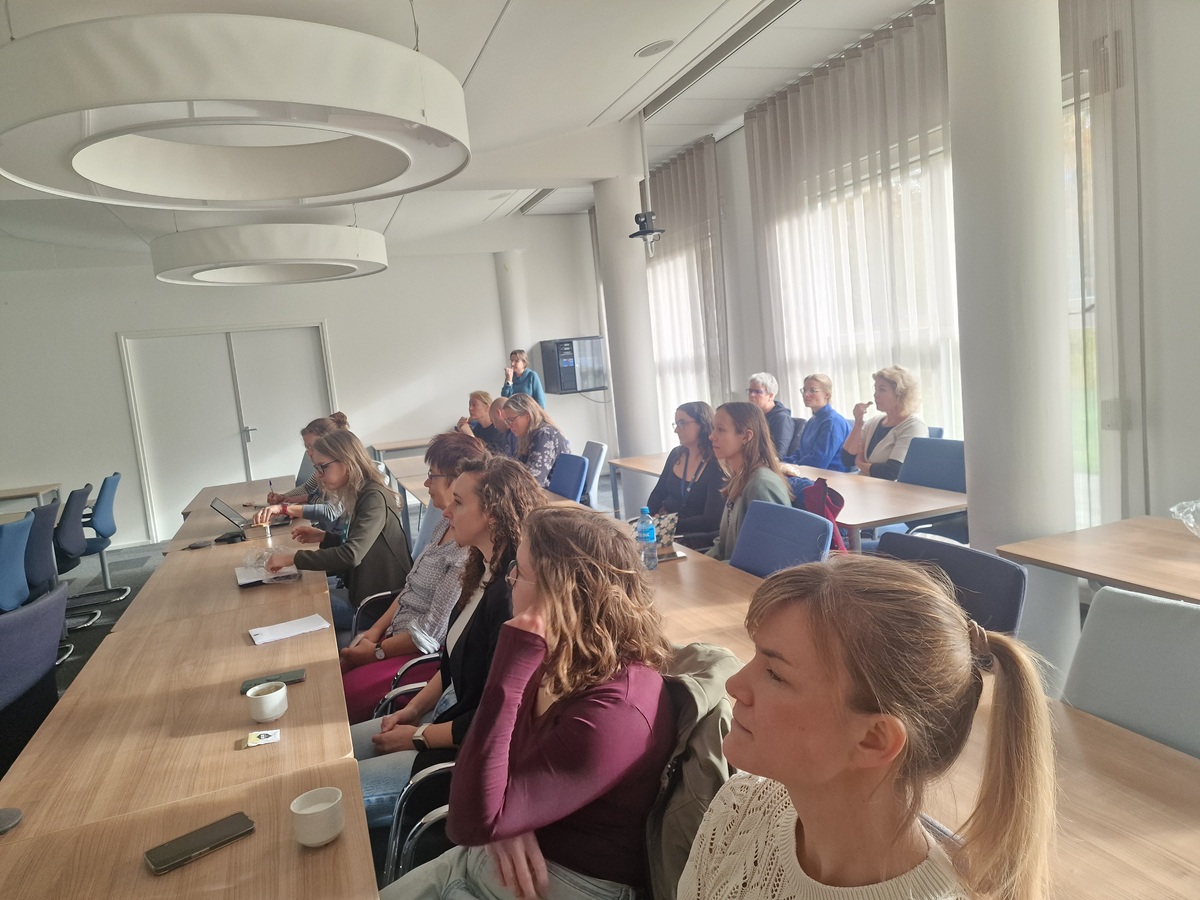
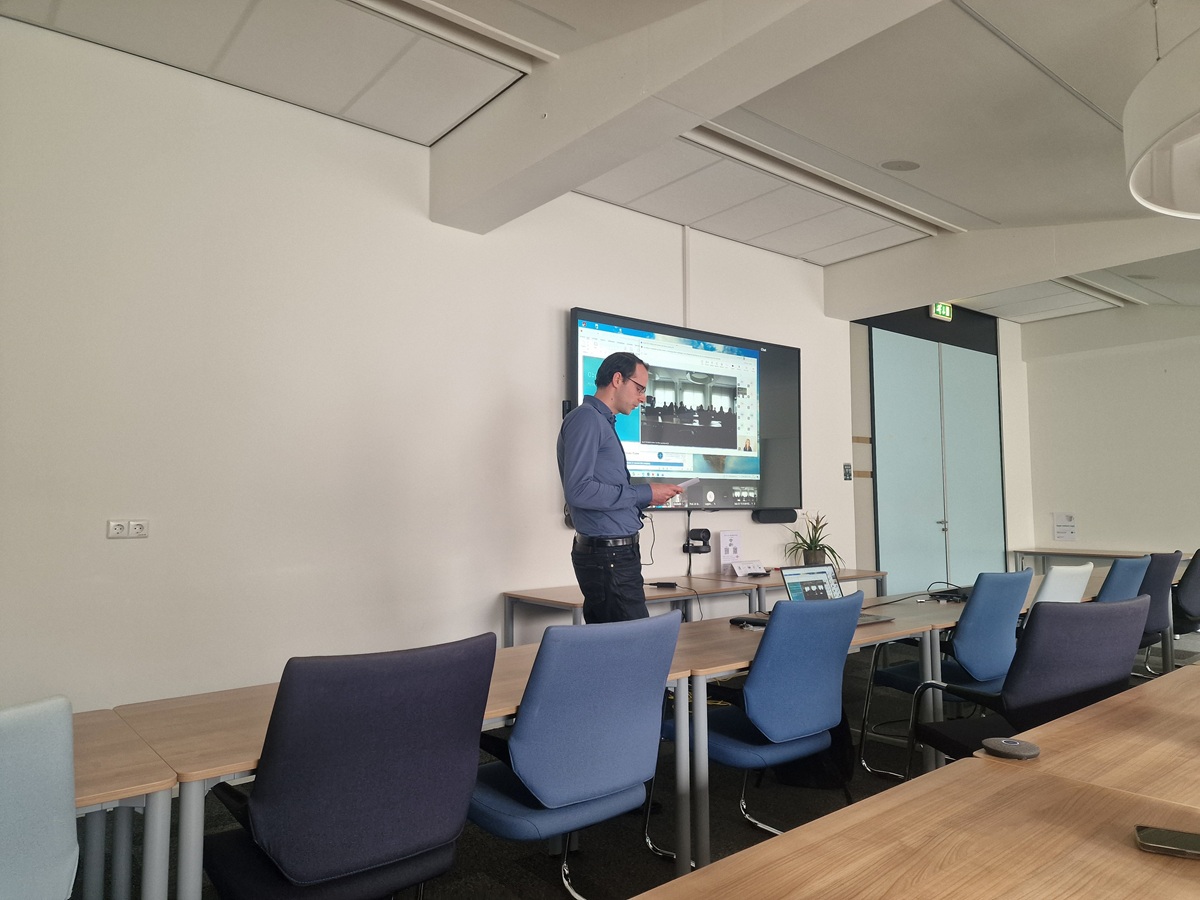
The visit also included lectures and discussions on topics like the role of proteins in human health and obesity. These sessions were particularly useful for understanding how scientific knowledge is framed and communicated beyond academic audiences, contributing to policy discussions and public health narratives.
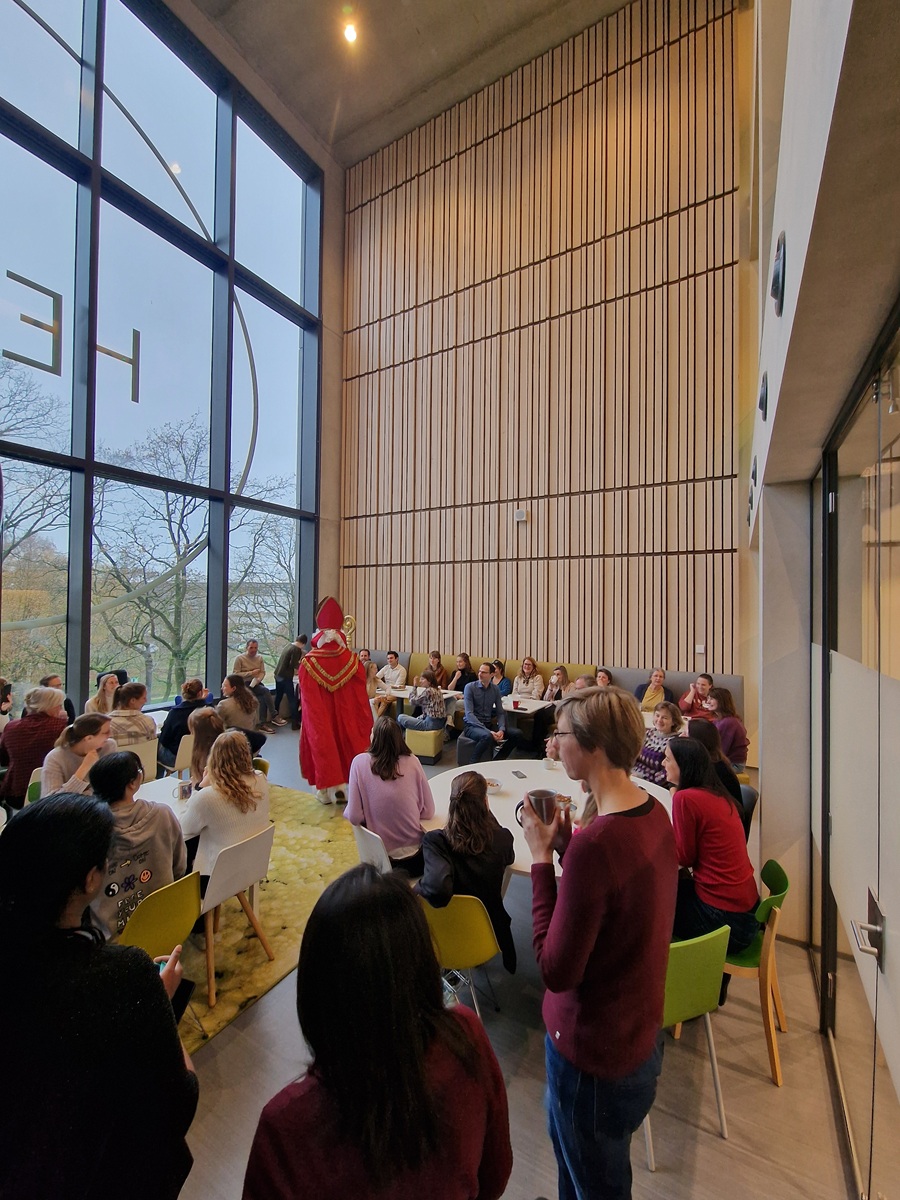
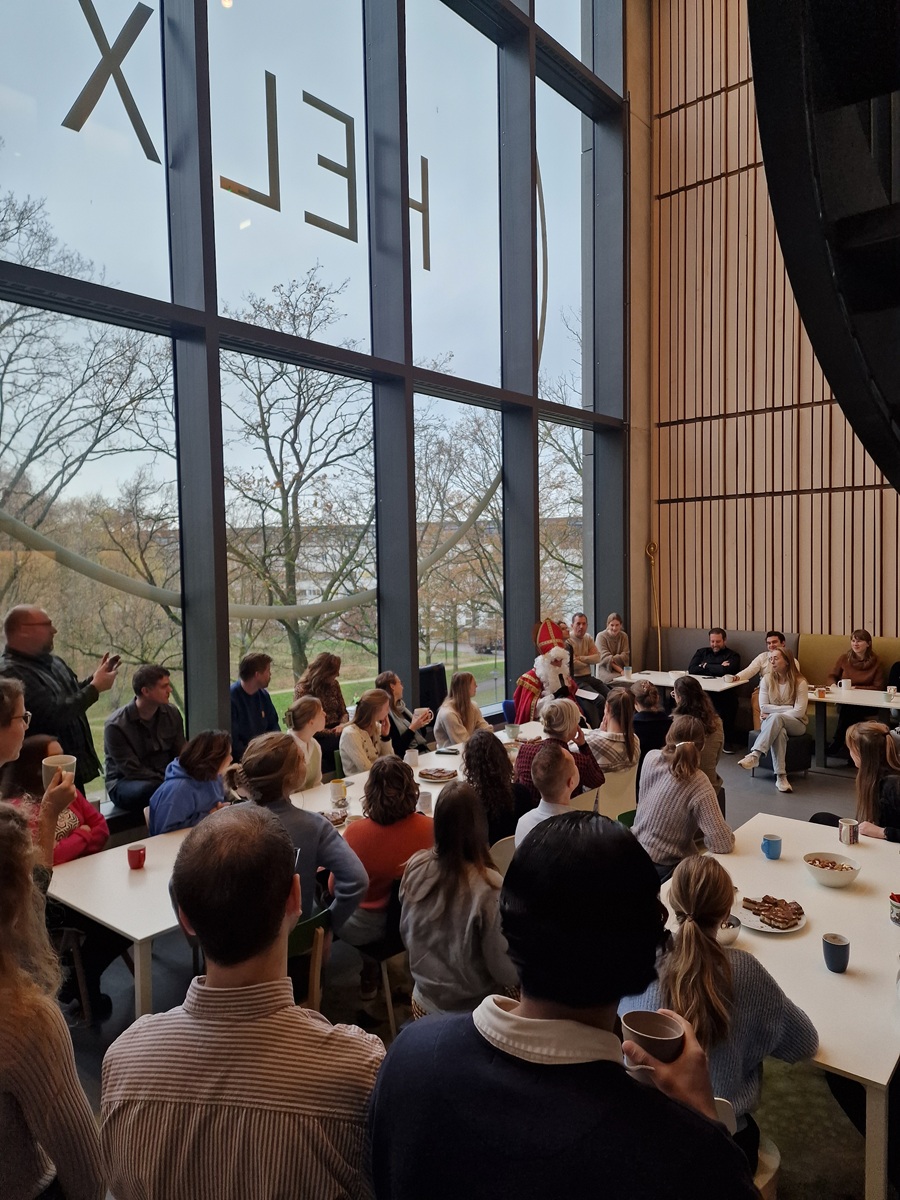
As November came to an end, the stay coincided with one of those small traditions that leave a lasting impression. The arrival of Sinterklaas was celebrated with staff gathered in a single room, listening as he recited a playful rhyming poem reflecting on university life and the year behind them. Chocolate milk was poured, bowls of pepernoots and marzipan were passed around, and each person received a modest but meaningful gift: a chocolate shaped like the letter “S”. It was a simple moment, yet one that captured the warmth and sense of belonging that often define academic communities at their best.
Experiencing Dutch Academic Culture Firsthand
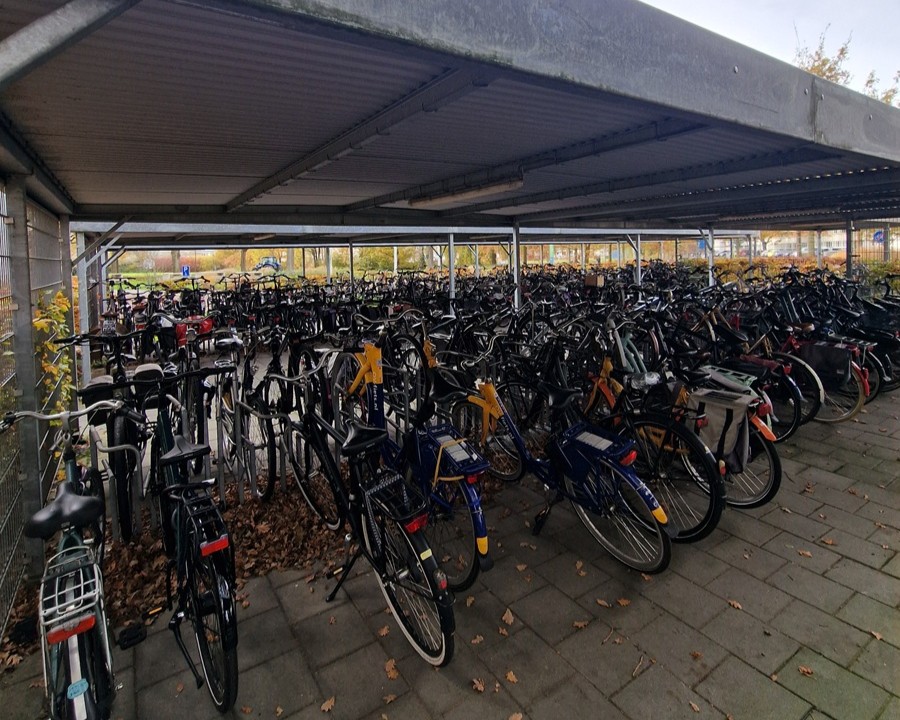
Living and working within the Dutch academic environment offered lessons that extended far beyond professional development. The culture is marked by direct communication, flexibility, and a strong focus on human interaction. Hierarchies feel lighter, doors are open, and clarity is valued over formality. Work-life balance is not treated as an abstract goal, but as a daily practice. Flexible working arrangements are common, and movement is simply part of the day, whether cycling to campus, walking between meetings, or heading outdoors regardless of the weather.
Experiencing this rhythm firsthand provided insight into how institutional culture can support long-term motivation and sustainable productivity.
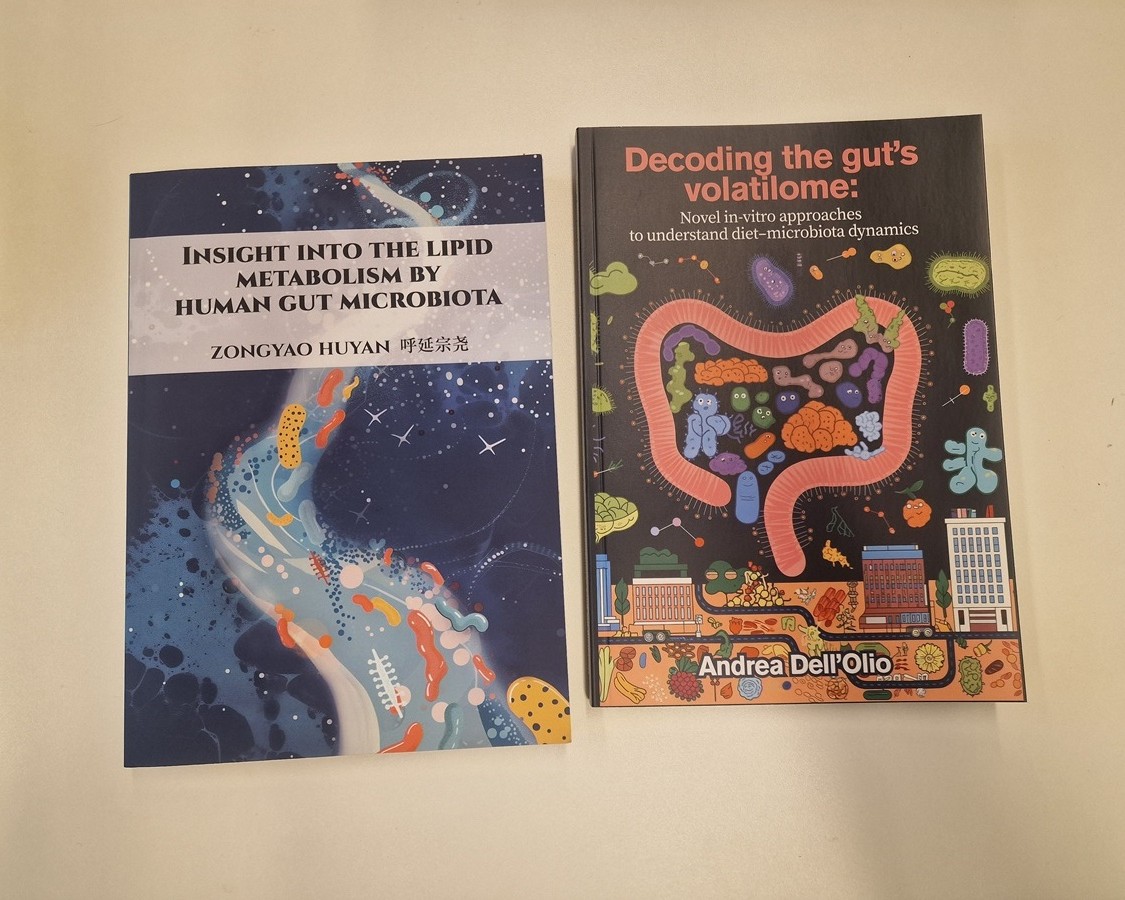
Another small but meaningful insight into Dutch academic culture appears in the way doctoral dissertations are presented. In the Netherlands, especially at the Wageningen University and Research, a dissertation is published as a book, and PhD candidates are given the freedom to shape its visual identity, from the cover design to the overall layout.
This openness reflects an academic environment that values not only scientific rigor, but also creativity, independence, and personal expression.
Learning for the Future of the Region
This stay demonstrated how much can be learned by spending time within a well-established European university ecosystem. By combining Serbia’s genetic resources with Dutch experience in nutrifood systems, sustainability, and institutional organization, the visit strengthened mutual understanding and reinforced long-term collaboration.
More importantly, it supported a broader vision: that universities in Widening countries can grow into strong regional leaders by learning from European partners, adapting best practices to local contexts, and building their own paths toward excellence. Ultimately, the experience showed that the future of food innovation, and of universities themselves, is shaped not only by technology and infrastructure, but by people, everyday practices, and a shared commitment to health, sustainability, and collaboration.