

What does sustainable agriculture look like when we move beyond concepts and see it directly in the field?
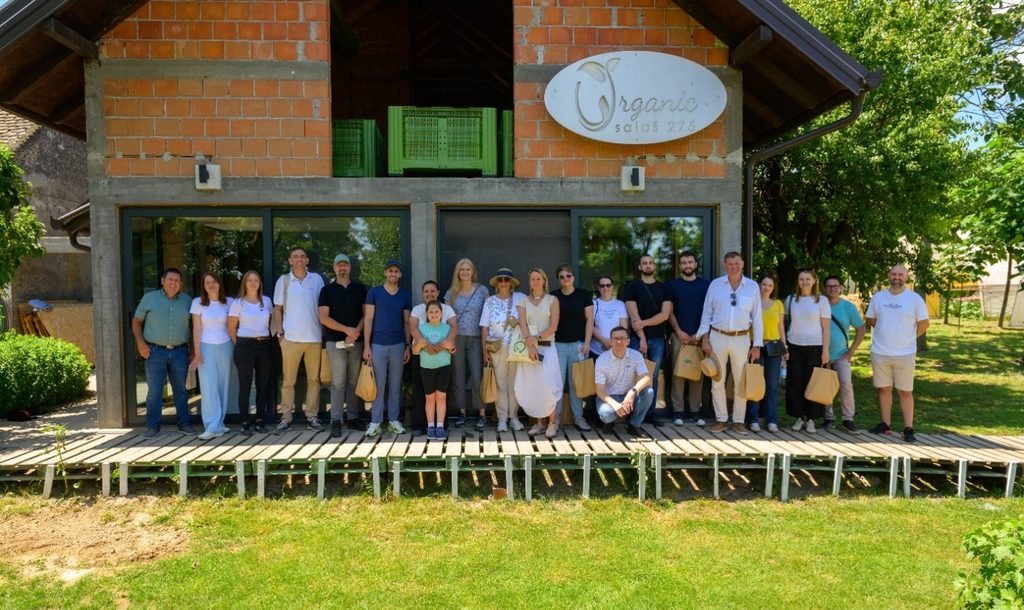
This was the guiding question of the field event “Transfer of Agro-Knowledge and Practices”, organised on 8th of June 2026 by the Vojvodina Organic Cluster, the event bringing together various stakeholders interested in organic production and agroecological practices. It also provided an opportunity to present and connect activities from the EINSTEIN and ClimaPannonia projects through practical field demonstrations.
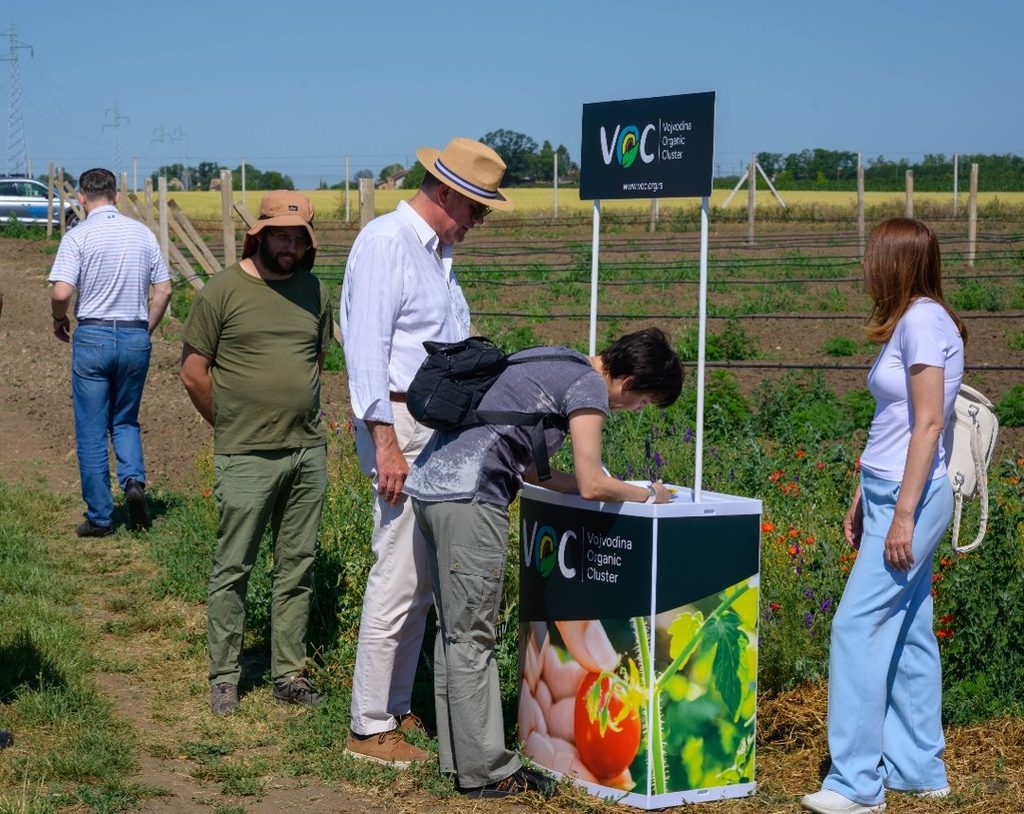
The event was designed as a practical learning activity, starting directly from the field: crops, soil, field layout, production choices and the real questions producers and researchers face. The first part of the program took place at the experimental fields of the Faculty of Agriculture in Rimski Šančevi, where participants visited field activities connected with the ClimaPannonia project and discussed agroecological and climate-resilient production practices in direct connection with EINSTEIN’s focus on agro-knowledge transfer.
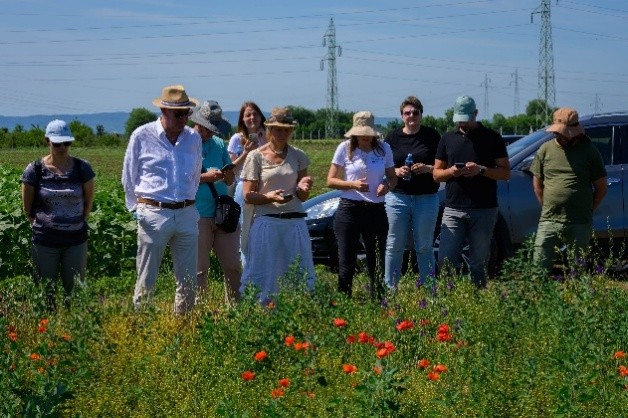
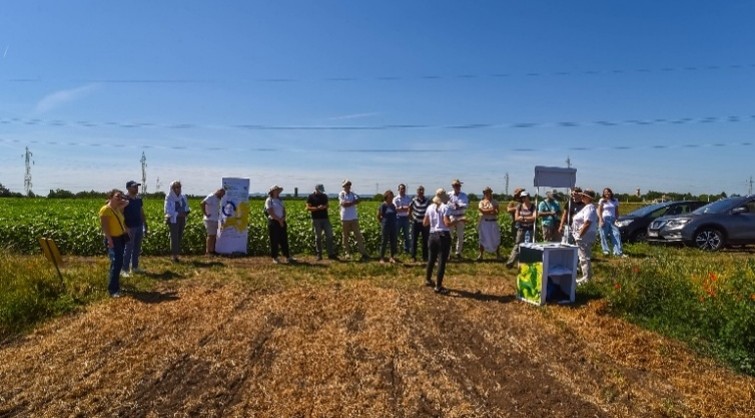
Walking through the experimental plots, the discussion focused on how crop diversity and spatial organization can influence soil management, plant diversity and production stability. The visit showed that sustainability depends on a set of connected choices: crop selection, spatial arrangement, rotation, soil cover and efficient use of plant biomass within the production system.
The second part of the event took place at the farm of Sanja and Svetozar Kuzmanović in Čenej, where small-scale producers engaged in open-field and greenhouse vegetable production. This stop gave participants a different, equally important perspective: how agroecological ideas can be applied in real farm conditions.
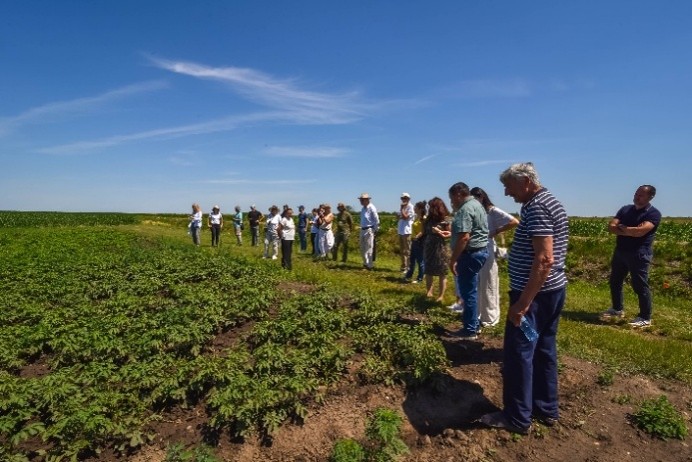
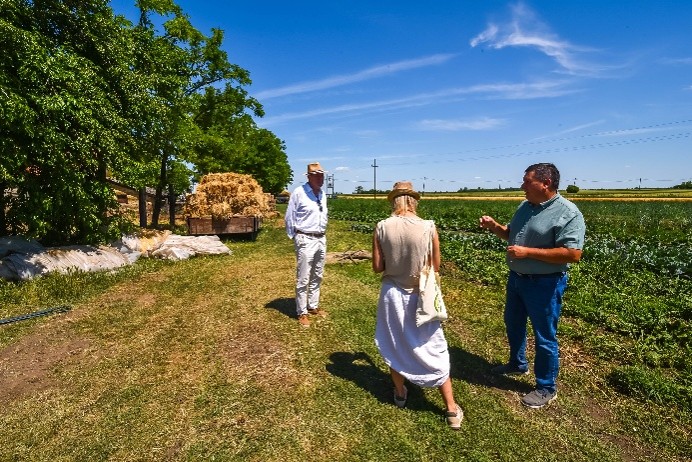
At the farm, participants were introduced to a practical demonstration of sustainable production practices, with a particular focus on intercropping. Sanja presented the field example and explained the everyday choices and challenges faced by small-scale producers. The discussion moved from general principles to very concrete questions: why certain crop combinations are chosen, how they affect soil cover and weed management, and what such practices mean in terms of labour, mechanisation, time and market needs.
Within the EINSTEIN project, the event contributed to the broader objective of strengthening agro-knowledge transfer and improving the connection between agriculture, food, technology and innovation.
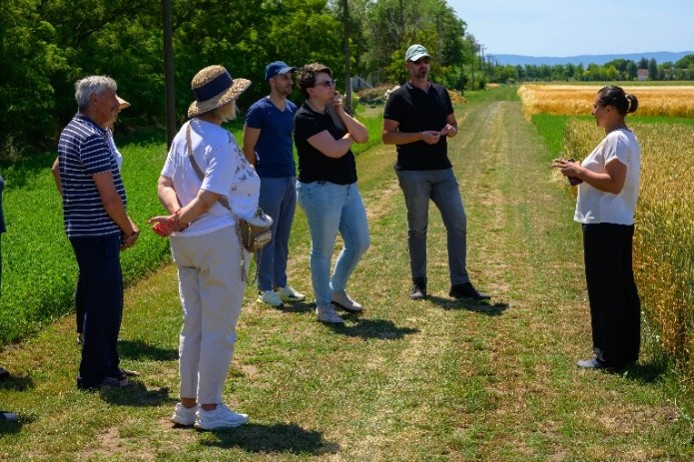
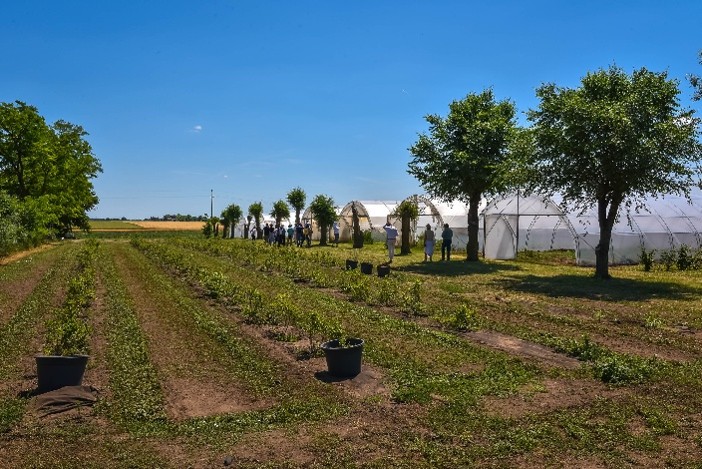
Participants compared research-based examples with practical questions from the farm: how to choose crop combinations, how to manage weeds without relying on quick interventions, how to organise work around different crops, and how to make agroecological practices feasible for small-scale production. This made the event less about presenting ready-made solutions and more about understanding what is needed for these practices to work in real conditions.
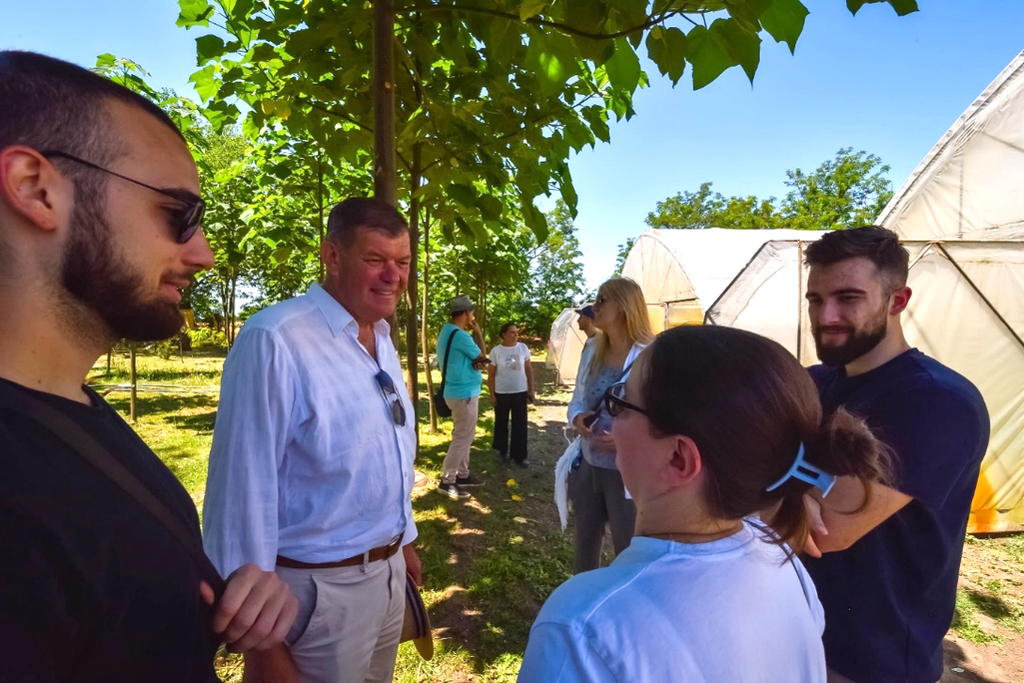
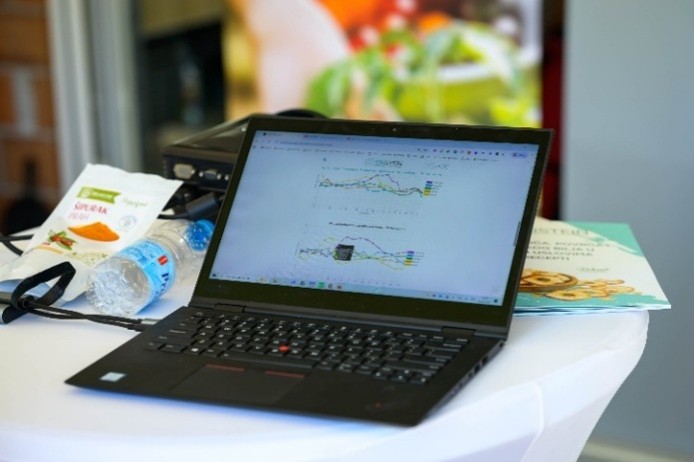
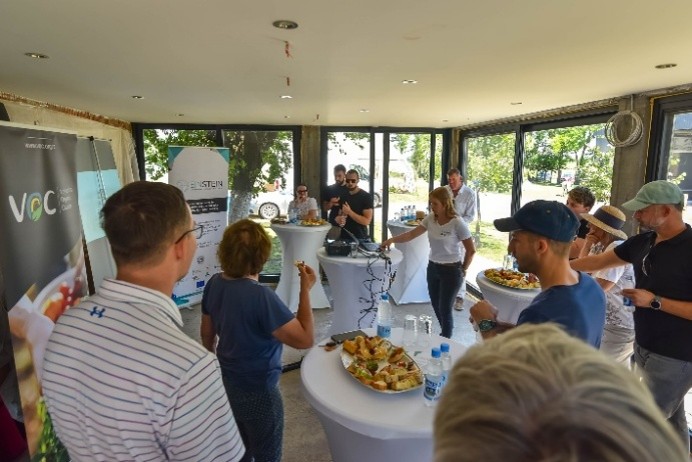
At the last part of the event, the discussion was further connected with the EINSTEIN Agroplatform, which provides practical information on organic cultivation technologies for different crop species, together with information on producers who grow them.
In this way, the platform supports organic producers, researchers and other stakeholders by making knowledge on crop production more accessible. Participants were also introduced to the brochure “Practical Guide to Home Drying of Fruit, Vegetables and Herbs, with Recipes”, the latest knowledge transfer guideline developed within the EINSTEIN project.
The brochure was presented as a practical example of how sustainability continues after production, through better use of seasonal products, reduction of food waste and simple household-level processing. By explaining how fruit, vegetables and herbs can be dried, preserved and later used in recipes, the brochure connects primary production with food preservation, circular use of resources and everyday consumer practices.
The “Transfer of Agro-Knowledge and Practices” event showed that sustainable agriculture is not only a concept, but a set of concrete decisions made in the field and continued beyond it. For EINSTEIN, knowledge transfer is a key step in turning research, field experience and innovation into practical value for producers, consumers and the wider agri-food system.
Through crop diversity, intercropping, improved rotations, better use of plant biomass, knowledge-sharing tools and practical guidance for food preservation, agroecological practices can support healthier soils, more resilient production systems and stronger links between research, farming, food and innovation.
Author: Vojvodina Organic Cluster – VOC